Other Common Names: Gazania Daisy, Hardy Gazania, Treasure Flower
Synonyms: Gazania rigens, G. linearis, Gorteria linearis
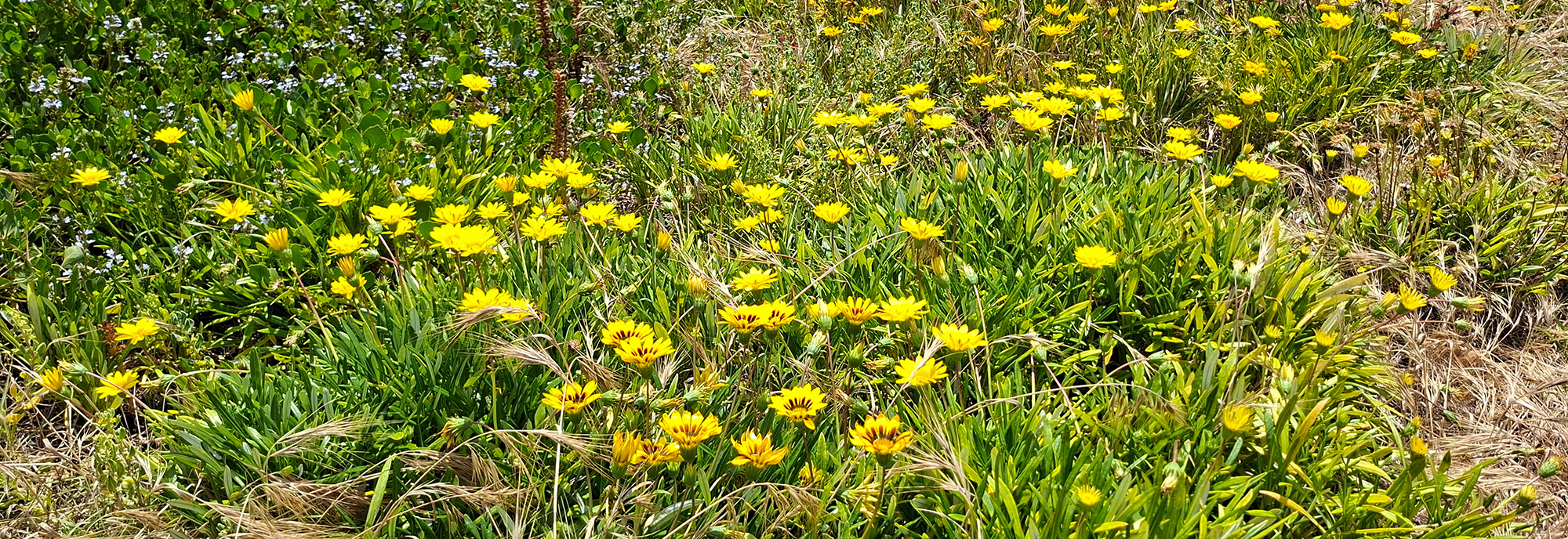

Gazania × splendens


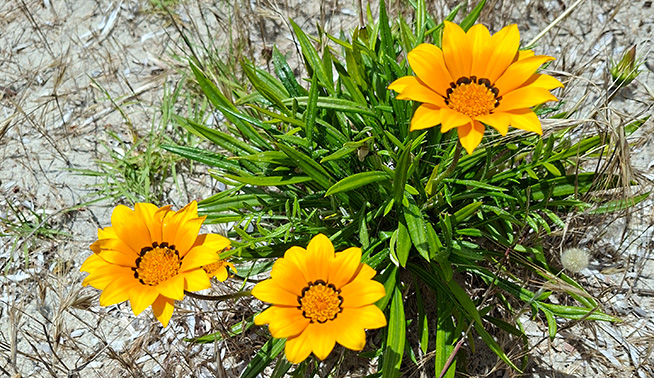
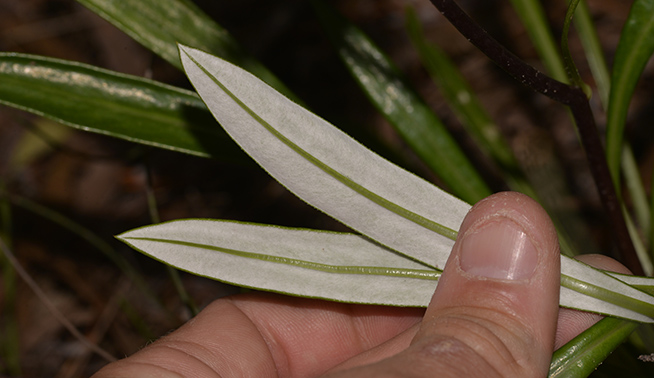
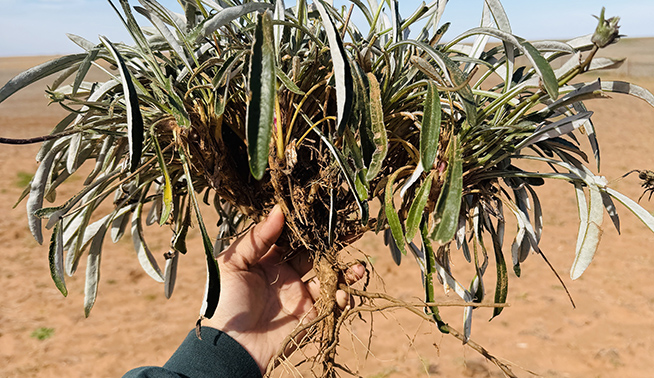
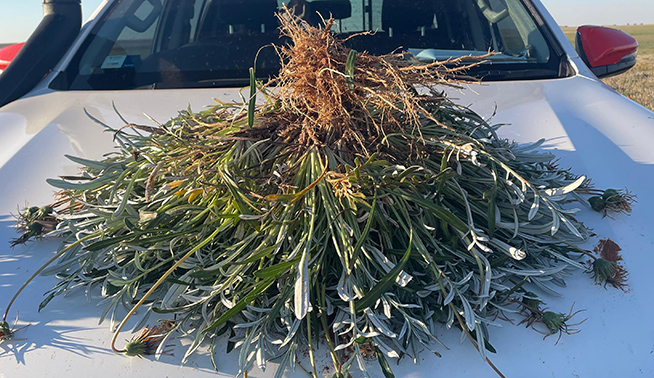
For individual plants or small infestations pull out by hand, making sure the roots are removed so it doesn’t re-grow. Once removed, bag the flower heads and remove them off site. The ‘bagging’ prior to disposal is important because even when the gazania flower heads are detached, most still have the ability to develop as mature flower heads with masses of viable seed.
For plants that are actively growing (plants over 15 cm high):
Non-selective herbicide
Spot spray (e.g. backpack or knapsack sprayer) with glyphosate (360 g/L) at a rate of 75-100 ml in 15L of water or glyphosate (540 g/L) with a rate of 50-70 ml in 15L of water. If spraying near water, use a bioactive formulation.
Selective herbicide
Spot spray clopyralid (750g/kg) 0.4g/10L water plus penetrant is recommended in bushland areas to minimise off target damage.
LSID number: [2898242] | full LSID: [https://id.biodiversity.org.au/node/apni/2898242] | field_lsid: [] | taxon: [Gazania]
ALA Reference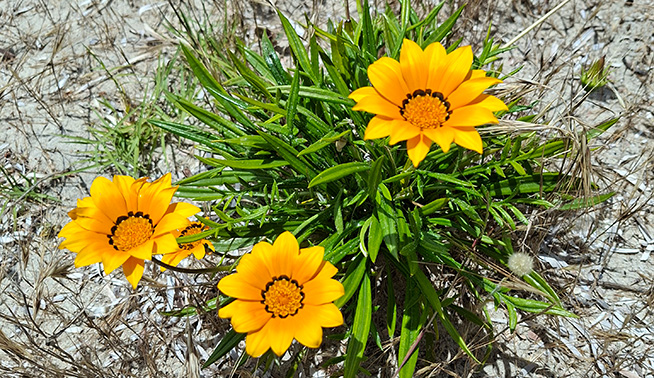
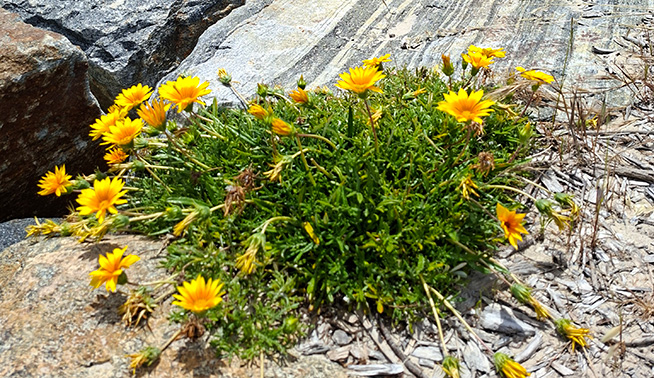
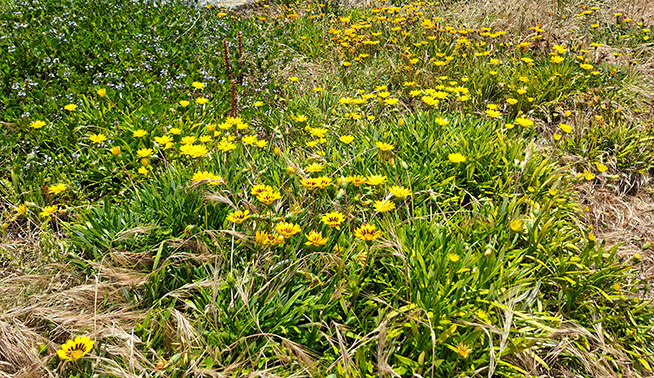
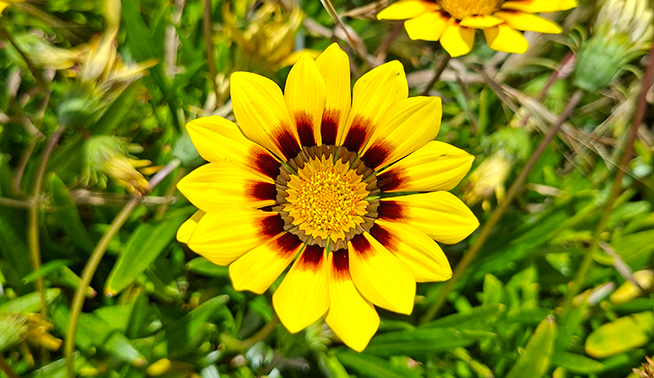
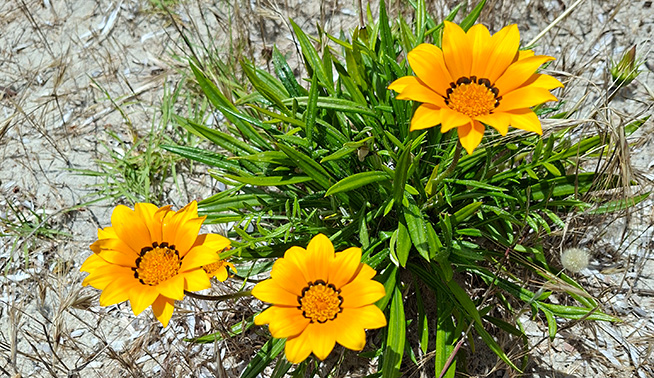
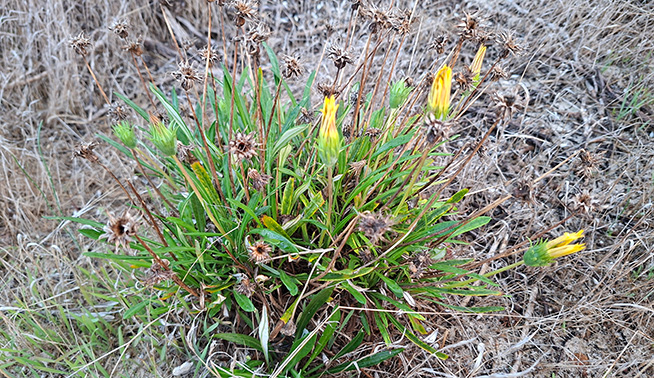
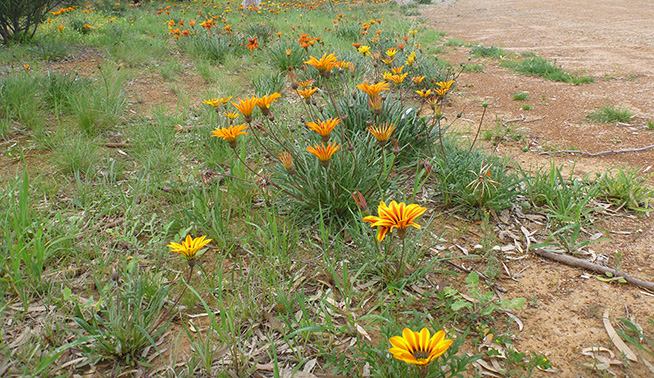
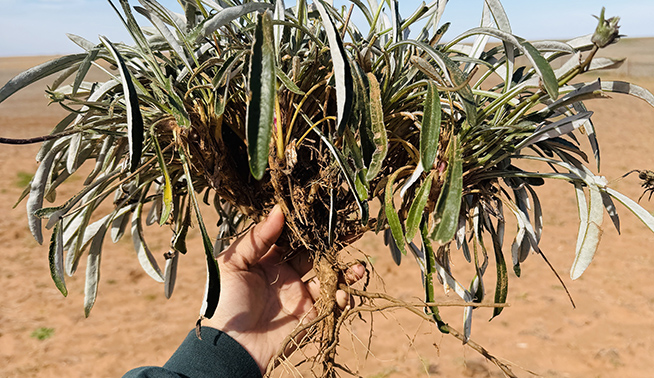
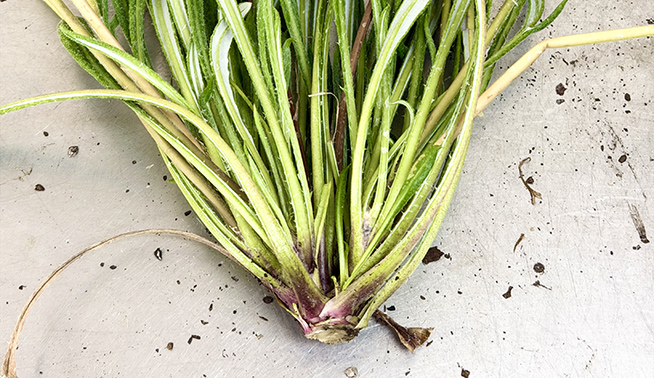
 Weeds of Australia
Gazania linearis (Thunb.) Druce
PlantNet Flora Online
Gazania linearis (Thunb.) Druce
Connecting Country (2012)
Connecting Country Weed Watch – Gazania
Atlas of Living
Gazania linearis (Thunb.) Druce
Invasive species council (2025)
New research reveals popular garden flower is more destructive than previously thought.
Thomas Mesaglio (2023, October 8)
Gazania in Australia [journal post]. iNaturalist.
Weeds of Australia
Gazania linearis (Thunb.) Druce
PlantNet Flora Online
Gazania linearis (Thunb.) Druce
Connecting Country (2012)
Connecting Country Weed Watch – Gazania
Atlas of Living
Gazania linearis (Thunb.) Druce
Invasive species council (2025)
New research reveals popular garden flower is more destructive than previously thought.
Thomas Mesaglio (2023, October 8)
Gazania in Australia [journal post]. iNaturalist.
| JAN | FEB | MAR | APR | MAY | JUN | JUL | AUG | SEP | OCT | NOV | DEC | Notes | |
|---|---|---|---|---|---|---|---|---|---|---|---|---|---|
| Germination | |||||||||||||
| Flowering | |||||||||||||
| Seeding |
| JAN | FEB | MAR | APR | MAY | JUN | JUL | AUG | SEP | OCT | NOV | DEC | Notes | |
|---|---|---|---|---|---|---|---|---|---|---|---|---|---|
| Physical | |||||||||||||
| Foliar spray |


 PER96570 - Glyphosate