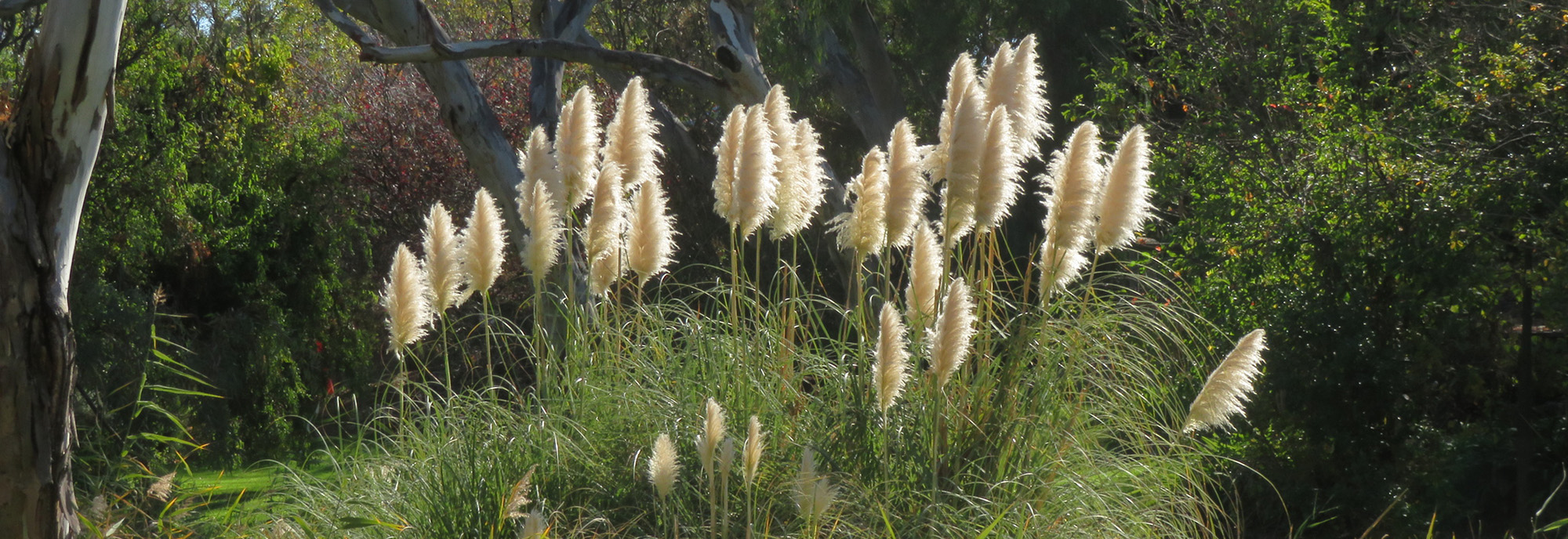

Other Common Names: Cortaderia, Silvergrass, Cut Throat grass, Uruguayan pampas grass, White pampas grass
Pampas grass
Cortaderia selloana
Quick facts

Status
Permitted s11

Life Cycle
Perennial

Growth Form
Grass

Origin
South America

Flowers
Cream/white/silvery

Dispersal
Wind
Names

Form and function
Flowers
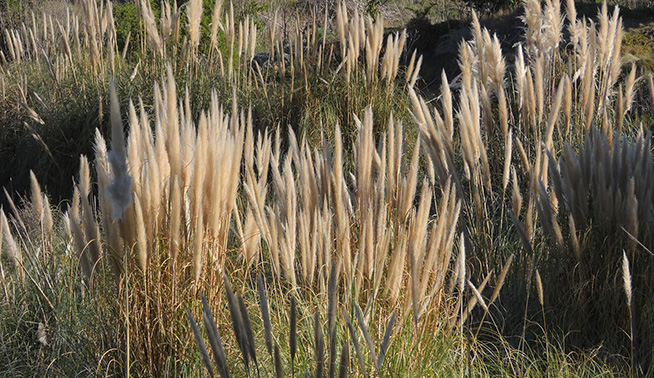
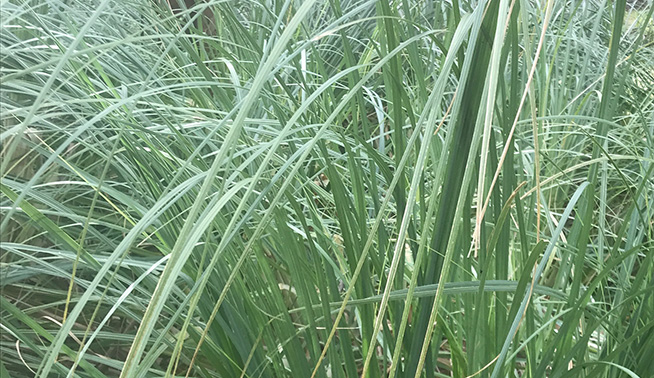
Leaves
Fruits
Roots
Habitat
May be confused with...
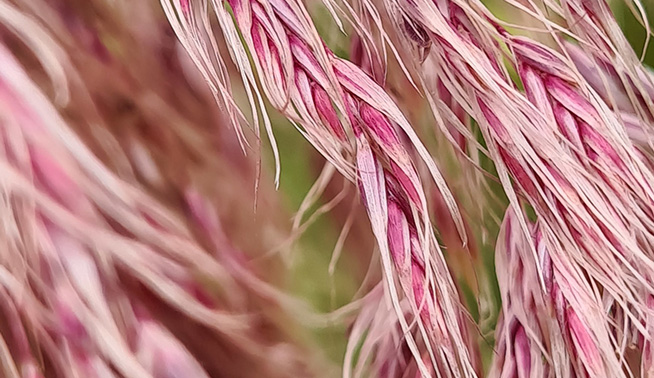
Similar native species: Similar to Gahina species (saw-sedges) but can be distinguished as this species has more open branched seed heads and shiny red or black seeds. Similar to Cortaderia selloana subsp. jubata (Pink pampas grass) but can be distinguished by its pinkish purplish colour flowers and dark green leaves compared to the C.selloana’s whitish silvery colour flowers and greyish green coloured leaves.
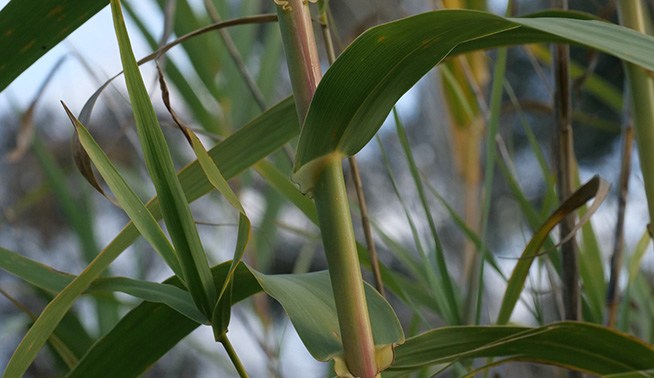
Similar non-native species: Similar to Arundo donax (giant reed) but can be distinguished as the leaves of the C.selloana arise from the basal tuft rather than being spaced evenly along the stems like the giant reed.
How does it spread?
Why is it a weed?
History
How to control


Physical
Small or isolated plants
- Hand pull or dig out, ensuring the entire crown and root system is removed.
- Inspect the site after 3 to 6 months to check for any regrowth.
- Mechanical removal is most effective when the soil is moist.
Large plants or infestations
- Large plants or dense infestations may need machinery like a backhoe. Mechanical removal is most effective when the soil is moist.
- Immediatly burn or deep-bury onsite at a depth greater than 1 m.
- Slashing may be used in combination with herbicide treatment, but slashing alone can promote regrowth and increase plant vigour.
- Where herbicides cannot be used, remove and destroy flower heads as soon as they develop, then remove and destroy the parent plants, ensuring all rhizome fragments are removed.
Chemical
Following hand pulling and slashing
- Spray the regrowth with a mix of 10mL glyphosate (360g/L) and 10 L of water in the spring.
For young plants/infestations
- Apply a mix of 8mL fluazifop-p (212g/L) and 3 to 10mL of spray oil with 1L of water, using a foliar application method, thoroughly wetting all foliage. May require more than one application.
- Apply a mix of 100mL glyphosate (450g/L) and 25mL of surfactant with 10L of water, using a foliar application method and spray the foliage until just wet. Treat the regrowth each spring.
For plants less than one year old
- Apply a mix of 5mL haloxyfop (520g/L) and 100mL of spray oil with 10L of water, using a foliar application method, thoroughly wetting all foliage.
Permit applications for fluazifop-p and haloxyfop are currently awaiting APVMA assessment.
Managerial
Replant infestations with native trees, shrubs and grasses can help to provide competition to limit or eliminate further invasion.
Further
reading
 Permit PER96570 for glyphosate
Weed Distribution Map
LSID number: [51442577] | full LSID: [https:/id.biodiversity.org.au/taxon/apni/51442577] | field_lsid: [] | taxon: [Cortaderia selloana ]
ALA Reference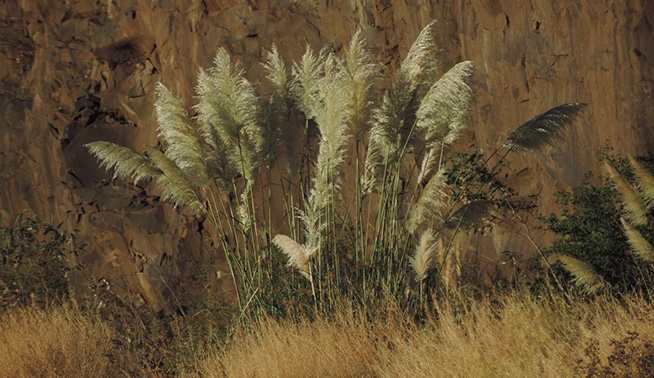
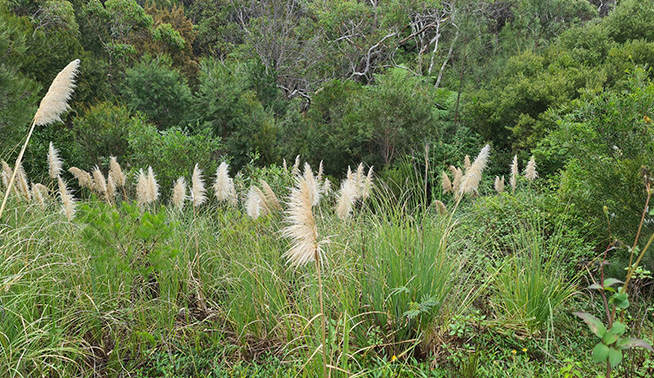
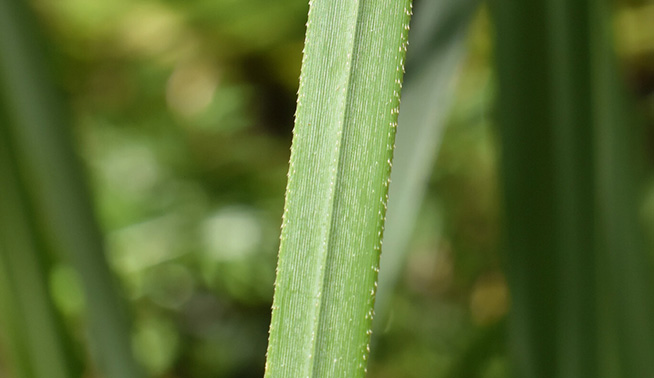
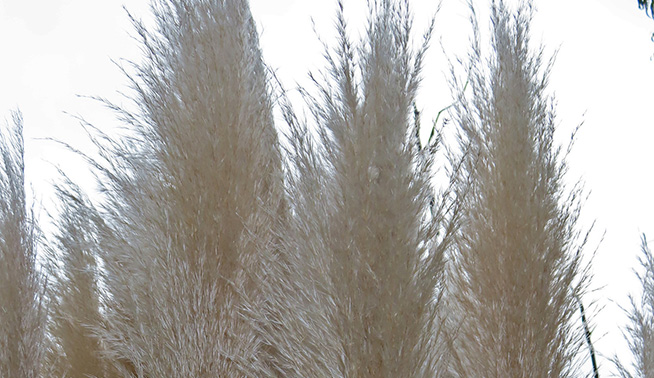
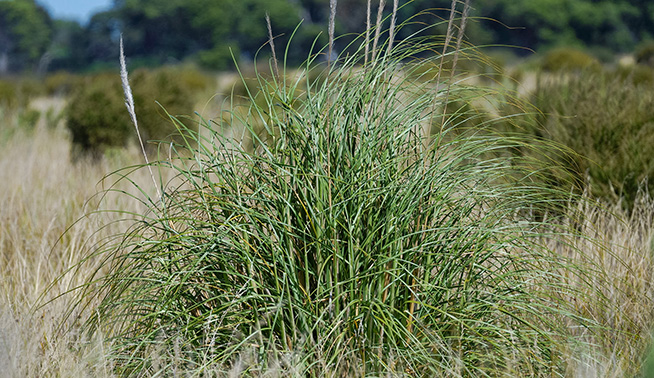
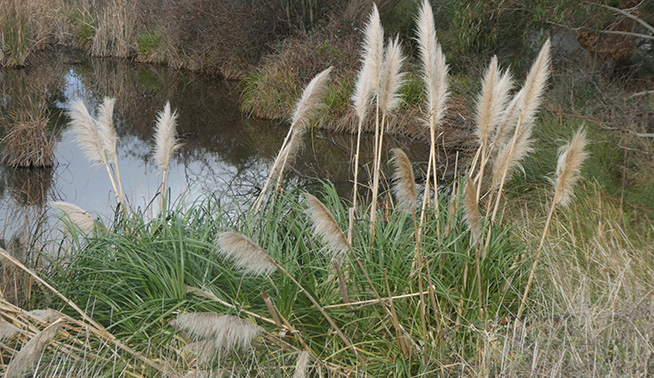
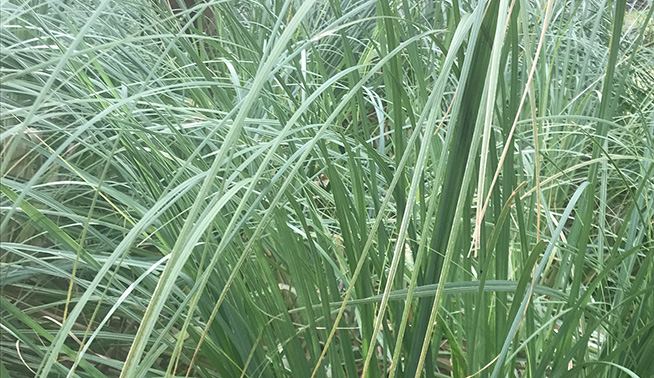
Image credits
References
-
 Atlas of Living Australia. (n.d.)
Cortaderia selloana (Schult. & Schult.f.) Asch. & Graebn. Atlas of Living Australia.
Atlas of Living Australia. (n.d.)
Cortaderia selloana (Schult. & Schult.f.) Asch. & Graebn. Atlas of Living Australia.
- Brown, K., & Brooks, K. J. (2003) Bushland weeds: a practical guide to their management With case studies from the Swan Coastal Plain and beyond. Environmental Weeds Action Network
-
Government of South Australia. (n.d.)
FACT SHEET Pampas Grass (Cortaderia Species). In Government of South Australia.
-
LIFE STOP Cortaderia. (2020).
Best practice manual for controlling Cortaderia selloana. LIFE STOP Cortaderia.
-
Moore, J., & Wheeler, J. (2008)
Southern weeds and their control. Department of Agriculture and Food, Western Australia.
-
Weeds Australia. (2019).
Pampas Grass, Pink Pampas Grass, Cortaderia, Silvergrass. Weeds Australia.
-
Western Australian Herbarium (1998–)
Florabase—the Western Australian flora. Department of Biodiversity, Conservation and Attractions.
Life Cycle
| JAN | FEB | MAR | APR | MAY | JUN | JUL | AUG | SEP | OCT | NOV | DEC | Notes | |
|---|---|---|---|---|---|---|---|---|---|---|---|---|---|
| Germination | |||||||||||||
| Active growth | |||||||||||||
| Flowering |
Regularly or most commonly
Occasionally, given suitable conditions
Management
| JAN | FEB | MAR | APR | MAY | JUN | JUL | AUG | SEP | OCT | NOV | DEC | Notes | |
|---|---|---|---|---|---|---|---|---|---|---|---|---|---|
| Physical | |||||||||||||
| Chemical |
Optimal
Potentially, but conditionally dependent